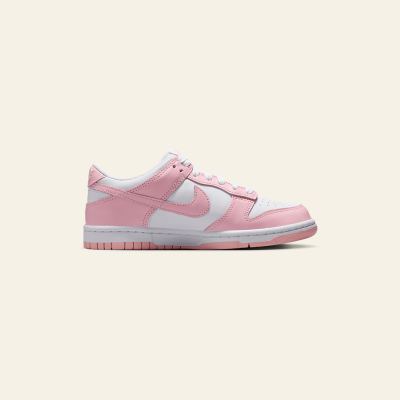
The Nike Dunk Low and the Nike Air Force 1 are the two most common “first pair” questions in sneaker shopping, and they get compared constantly because they solve different problems rather than because one replaced the other. Here’s how they actually differ, and which one fits your feet and your daily routine better.

Key Takeaways
- The Air Force 1 has a noticeably taller, softer midsole (31.7mm heel stack) than the Dunk Low (23.1mm), so it cushions more but weighs about 1.5oz more per shoe.
- The Dunk Low fits closer to a basketball shoe: snug through the midfoot with minimal padding. The Air Force 1 is roomier and, per Nike’s own sizing guidance, often worth going half a size down from your usual Nike size.
- Neither shoe is objectively “more comfortable” out of the box — the Dunk needs a short break-in period, while the AF1 needs a much longer one due to its stiffer cupsole.
- Wide feet generally do better in the Air Force 1; narrow-to-average feet tend to prefer the Dunk Low’s closer fit.
Quick Comparison: Nike Dunk Low vs Air Force 1
| FEATURE | NIKE DUNK LOW | NIKE AIR FORCE 1 |
|---|---|---|
| Released | 1985 (basketball) | 1982 |
| Heel stack height | ~23.1 mm | ~31.7 mm |
| Weight (US men’s 9) | ~14.8 oz (420g) | ~16.4 oz (465g) |
| Fit through midfoot | Snug, athletic | Roomier, relaxed |
| Break-in period | Short | Long (stiff cupsole) |
| Best for wide feet | Size up half a size | Generally yes, as-is |
What Are the Main Differences Between the Dunk Low and the Air Force 1?
The Nike Dunk Low has a low-to-the-ground, cupsole basketball construction with a thin midsole and a snug fit through the midfoot. The Nike Air Force 1 uses a taller cupsole built around a full-length Air-Sole unit, which raises the heel stack to roughly 31.7mm compared to the Dunk’s 23.1mm. That extra stack is the single biggest physical difference between them, and it explains most of the differences in comfort, weight and everyday feel described below.
Which Is More Comfortable?
Out of the box, neither shoe is simply “more comfortable” — they trade off in different ways. The Air Force 1 has a thicker, Air-cushioned midsole that shock-absorption testing rates well above average, which makes it the more forgiving shoe for long periods on your feet once it’s broken in. The catch is that break-in: independent shoe testing measures the AF1 as needing roughly 60% more force to flex than an average sneaker, which is why new pairs can feel stiff for the first few wears. The Dunk Low is firmer underfoot with less cushioning, but it flexes more easily from day one and needs comparatively little break-in time. If you want cushioning for standing or walking all day and don’t mind a stiff first week, the AF1 wins long-term. If you want a shoe that feels comfortable within the first hour of wear, the Dunk Low is the safer choice.
How Do the Fits Differ?
Yes, they fit differently, and it’s not just marketing language. The Dunk Low keeps its basketball-shoe DNA: a closer, more secure fit through the midfoot with a narrower platform (around 104mm at the forefoot). The Air Force 1 is built roomier, with Nike’s own sizing guidance noting the AF1 “generally runs big due to the roomy toe box” and recommending a half-size down from your usual Nike size for a snug fit. Practically, that means someone who wears a true-to-size 9 in the Dunk Low may be more comfortable in an 8.5 in the Air Force 1, especially with a low-cut lacing style. If you have wider feet, Nike recommends staying at your normal size in the AF1 rather than downsizing, and sizing up half a size in the Dunk Low for the same reason.
Which One Feels Lighter?
The Dunk Low is lighter, at roughly 14.8oz per shoe in a men’s US 9 versus about 16.4oz for the Air Force 1 — a difference of around 1.5oz per foot that’s noticeable on long walks, even if it’s not dramatic. The AF1’s extra weight comes directly from its taller midsole and the encased Air unit, the same components responsible for its better cushioning. There’s a genuine trade-off here: more cushioning adds weight, and less weight means less underfoot protection.
Which Is Better for Everyday, All-Day Wear?
For all-day wear where you’re on your feet for hours, the Air Force 1’s thicker, more shock-absorbent midsole generally holds up better, once it’s past the initial break-in period. For shorter wear — errands, commuting, sitting at a desk with occasional walking — the Dunk Low’s lighter build and quicker break-in make it the easier shoe to just put on and forget about. Neither is a dedicated performance or walking shoe; if all-day comfort on hard pavement is the priority above everything else, it’s worth reading our separate guide on how to find your correct sneaker size online before assuming either model will solve fit problems on its own.
Style Differences
The Dunk Low has a lower-profile, more streamlined silhouette with a wider color-blocking panel layout that leans into basketball and skate heritage — it pairs naturally with straighter, more tailored fits. The Air Force 1, especially in its classic triple-white colorway, is chunkier and more monochrome, with a flatter, boxier toe shape that has become a streetwear staple on its own. Neither is objectively more versatile; the choice usually comes down to whether you want a slimmer retro-athletic look (Dunk) or the bulkier, platform-adjacent silhouette that’s defined casual sneaker style for over a decade (AF1).
So, Which Should You Buy?
There isn’t a single winner here — the right shoe depends on your feet and how you’ll use it.
- Choose the Dunk Low if: you have narrow-to-average width feet, want a lighter shoe with a quick break-in, or prefer a lower-profile, slimmer silhouette.
- Choose the Air Force 1 if: you have wider feet, plan to be on your feet for long stretches, and don’t mind a longer break-in period in exchange for more cushioning.
- Consider owning both if: you want one shoe for all-day comfort (AF1) and a second, lighter option for shorter outings (Dunk Low).
If you’re also weighing other Nike models against these two, our comparison of Air Jordan 1 vs Air Jordan 4 covers a similar low-top-vs-cushioned decision within the Jordan line, and our New Balance 9060 vs 574 vs 530 guide is useful if you’re comparing across brands rather than staying within Nike.
If you are also curious about another Nike icon, our complete guide to the Nike Cortez covers its history and how it fits.
Frequently Asked Questions
Are Nike Dunks more comfortable than Air Force 1s?
Not automatically — it depends on the timeframe. The Air Force 1 has more cushioning and tests better for shock absorption, but it needs a long break-in period before it feels comfortable. The Dunk Low is firmer but comfortable sooner, since it needs much less breaking in.
Do Nike Dunk Lows run true to size?
Yes, the Dunk Low generally runs true to size for narrow-to-average feet. If you have wider feet, sizing up half a size is commonly recommended for extra room across the midfoot.
Should I size down in Air Force 1s?
Often yes. Nike’s own guidance says the Air Force 1 tends to run big due to its roomy toe box, and recommends half a size down from your usual Nike size for a snug fit. If you have wider feet, staying true to size is usually the better call.
Which is better for wide feet, the Dunk Low or the Air Force 1?
The Air Force 1 is generally the better option for wide feet, since its platform is built roomier by default. Wide-footed wearers choosing a Dunk Low typically size up half a size to compensate.
Are Dunk Lows or Air Force 1s better for standing all day?
The Air Force 1’s thicker, Air-cushioned midsole makes it the more supportive option for extended standing or walking, once it’s broken in. The Dunk Low is lighter but offers less underfoot cushioning over long periods.
Shop Nike Dunk Low & Air Force 1
Nike Dunk Low
Nike Air Force 1
Not sure which size to order? Our Nike sizing guide breaks down how Nike sneakers fit before you decide between these two models.
Comments
2 responses to “Nike Dunk Low vs Air Force 1: Which Should You Buy?”
[…] Comparing across other brands? See how two more everyday staples stack up in our Nike Dunk Low vs Air Force 1 comparison. […]
[…] you are also weighing Nike against another silhouette, our Nike Dunk Low vs Air Force 1 comparison covers fit differences between the two models in more […]