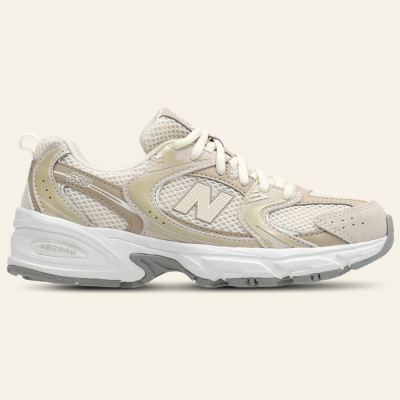
The single biggest reason people return sneakers bought online isn’t the style — it’s the fit. And that’s usually avoidable, because sizing issues almost always come down to one of three things: not knowing your actual foot measurements, assuming every brand sizes the same way, or ignoring how a specific silhouette is meant to fit. Here’s how to get it right the first time.

Step 1: Measure Your Feet Properly (Not Your Usual Shoe Size)
Shoe sizes drift over time and vary by manufacturer, so start from your actual foot measurement rather than “what size I usually buy.”
- Stand on a piece of paper against a wall, heel touching the wall.
- Mark the tip of your longest toe and measure the distance from the wall.
- Do this for both feet — most people have one foot slightly larger than the other — and always size to the larger measurement.
- Measure in the evening, when feet are naturally at their largest.
Step 2: Understand That Brands Size Differently
This is where most online sizing mistakes happen. As a general pattern:
- New Balance often runs true to size but varies noticeably by last (shoe shape) between models — the 574 and 9060 don’t necessarily fit identically even in the “same” size. See our 9060 vs 574 vs 530 comparison for more on fit differences.
- Nike tends to run slightly small in several silhouettes, particularly older Air Force 1 and Air Max models — many buyers size up half a size — see how it compares to the Samba in our Air Force 1 vs Adidas Samba guide.
- Adidas is generally close to true-to-size, though some retro models (like Samba) fit slightly narrow.
- Asics running-inspired shoes usually run true to size but have a narrower toe box than casual sneakers.
When in doubt, check the specific product’s sizing notes rather than relying on what you know from a different brand or even a different model from the same brand.
Step 3: Factor In How You’ll Wear Them
A sneaker meant for all-day standing or walking should have roughly a thumb’s width of space between your longest toe and the front of the shoe. A more fitted, fashion-first silhouette can sit slightly closer. If you plan to wear thicker socks in colder months, that’s also worth building into your decision.
Step 4: Check Width, Not Just Length
Length is only half the fit equation. If you have wider feet, prioritise silhouettes with mesh or knit uppers (which flex more) over structured leather models, and read reviews for specific mentions of narrow or wide fit.
Common Mistakes to Avoid
- Assuming your size in one brand automatically transfers to another.
- Ordering your “old” size instead of remeasuring, especially if it’s been a few years.
- Ignoring product-specific sizing notes in favour of general assumptions.
- Buying too tight because “leather stretches” — some materials do, mesh and synthetics largely don’t.
Still Unsure? Size Between Two Options
If your measurement falls between two sizes, go up rather than down for comfort-first shoes, and stay true-to-size for narrower, performance-oriented models.
Browse detailed sizing notes on every model at Cecile Milan, including New Balance, Nike, Adidas, Asics, Salomon, Hoka, On, Ugg and Birkenstock.
For a more diagnostic look at fit, see our practical guide to how sneakers should fit.
Frequently Asked Questions
How do I know my correct sneaker size when buying online?
Measure your foot length against a wall using a piece of paper, size to your larger foot, and compare that measurement to the specific brand and model’s size chart rather than relying on your usual shoe size.
Do Nike sneakers run small?
Yes, several Nike silhouettes, including older Air Force 1 and Air Max models, tend to run slightly small, and many buyers size up half a size.
Does New Balance run true to size?
New Balance generally runs true to size, but fit varies noticeably by last between models, so the 574 and 530 may not fit identically even in the same labeled size.
What should I do if my foot measurement falls between two sizes?
Size up for comfort-first, cushioned shoes, and stay true-to-size for narrower, performance-oriented models.
Why did my new sneakers not fit even though I ordered my usual size?
Sizing mistakes usually happen because shoe sizes drift over time, brands size differently from one another, and even different models from the same brand can use a different last or shape.