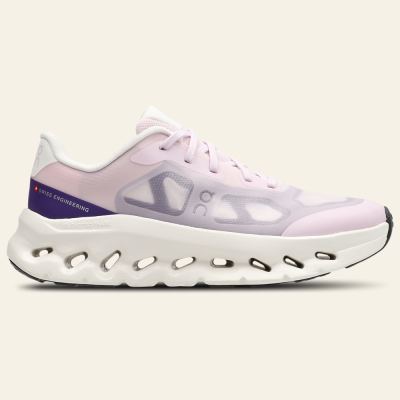
Most sneaker fit problems come down to a handful of specific checkpoints: how much room your toes actually need, how much heel movement is normal, and why the size on the box doesn’t always mean the same thing between brands. Here’s a practical way to check fit and buy with more confidence — including the sizing math many guides skip.

Key Takeaways
- Leave a thumb’s width — roughly 10-12mm, or about 3/8 to 1/2 inch — between your longest toe and the front of the shoe.
- A small amount of heel slip when a shoe is brand new is normal and often resolves after a few wears; slip that doesn’t reduce, or that causes blistering, means the shoe is the wrong size or shape for your foot.
- Feet swell over the course of the day due to gravity and reduced circulation, so measuring and trying on shoes in the afternoon gives a more reliable fit than measuring first thing in the morning.
- The same labeled size varies between brands — New Balance and Adidas generally run a half size to a full size smaller than Nike, so “your size” isn’t one fixed number across every brand.
How Much Toe Room Should Sneakers Have?
You want about a thumb’s width of space — roughly 10 to 12mm — between your longest toe and the inside front of the shoe. This isn’t the same as “loose”; the shoe should still hold your foot securely through the midfoot and heel, with the extra room concentrated specifically at the front. Too little toe room causes black toenails and pain on descents or long walks; too much causes your foot to slide forward inside the shoe, which creates its own blistering and instability problems. A simple check: with the shoe laced normally, you should be able to press down gently on the top of the toe box and feel a small gap before your longest toe.
Is Heel Slip Normal, or a Sign of the Wrong Size?
A little heel slip in a brand-new pair is normal, especially in leather or suede sneakers that haven’t broken in yet — a small amount of up-and-down movement usually settles down within the first few wears as the heel counter and lacing adjust to your foot. The distinction that matters is whether that slip stays the same or gets worse. Heel slip is a real problem, not a break-in issue, if it’s still noticeable after normal wear, if it causes rubbing or blistering at the back of your heel, or if your foot visibly lifts out of the shoe when you walk uphill or push off. Persistent heel slip usually means the shoe is a half size too big, too narrow through the heel for your foot shape, or simply the wrong last shape for you — sizing down or switching models is more effective than trying to lace your way out of it.
How Should a Wide Foot Be Accounted For?
Width matters as much as length, and it’s the detail most people skip. If your foot feels pinched across the widest part (typically just behind the toes) even when the length feels right, going up half a size in the same width often isn’t the real fix — you need a wider version of the shoe, if the brand offers one, rather than just more length. New Balance is the most consistent option here, offering up to six width options across many models, while Nike and Adidas generally offer only standard width. If a brand doesn’t offer wide sizing, the practical workaround is sizing up half a size and accepting slightly more length than ideal, or choosing a model with a naturally roomier toe box, like the Nike Air Force 1.
Why Does Your Foot Feel Different in the Same Shoes Later in the Day?
This is normal physiology, not an inconsistency in the shoe. Gravity pulls fluid down into your feet over the course of the day, and because your feet are furthest from your heart, circulation naturally slows the longer you’re upright — a process called dependent edema. Heat, humidity, long periods of standing, and even high sodium intake all add to this. The practical takeaway: if you only try on or measure shoes first thing in the morning, you’re measuring your feet at their smallest. Buying and trying on sneakers in the afternoon or evening gives a truer picture of the fit you’ll actually experience during a normal day.
Should Sneakers Feel Tight or Loose When New?
Neither, exactly. A well-fitting sneaker should feel secure through the heel and midfoot — no slipping, no pinching — with just enough room at the toes to wiggle them freely. “Tight” everywhere is a sign the shoe is too small or too narrow; “loose” everywhere, including heel slip and toes sliding forward on descents, is a sign it’s too big. Some structured leather sneakers, like the Nike Air Force 1, are built stiffer and will feel tight through the top of the foot for the first several wears before the material breaks in — that’s a material characteristic, not necessarily a sizing problem, so it’s worth distinguishing stiffness from actual size.
When Should You Size Up or Down Half a Size?
Size up half a size if: you have wider feet and the brand doesn’t offer wide widths, you plan to wear thicker socks regularly, or the specific model is known to run small (check the brand’s own sizing notes when available). Size down half a size if: the model is known to run big — the Nike Air Force 1 is a common example, where Nike’s own guidance recommends a half size down from your usual Nike size for a snug fit — or you have narrow feet and want to avoid heel slip. When in doubt and a return policy is available, ordering true to size and adjusting from there is more reliable than guessing based on a single online sizing chart.
Why Do Nike, Adidas and New Balance Fit Differently?
Sneaker brands use different “lasts” — the internal mold a shoe is built around — so a size 10 doesn’t represent the same physical measurements across brands. As a practical reference point, New Balance generally runs about a full size larger than Nike (a Nike 10 is roughly a New Balance 9) and about half a size larger than Adidas. Adidas and Nike sit closer to each other, though individual models within each brand still vary — the Air Force 1 runs noticeably larger than the Dunk Low despite being from the same brand, for instance. The safest approach is to check sizing notes for the specific model, not just the brand as a whole, since sizing can shift significantly between silhouettes.
EU / UK / US Men’s Size Conversion
| EU | UK | US | FOOT LENGTH |
|---|---|---|---|
| 40 | 6.5 | 7 | 24.4 cm |
| 41 | 7.5 | 8 | 25.4 cm |
| 42 | 8.5 | 9 | 26 cm |
| 43 | 9.5 | 10 | 27 cm |
| 44 | 10.5 | 11 | 27.9 cm |
Conversions are approximate and can vary slightly by brand and model.
How Do You Measure Your Feet Correctly?
Measure in the afternoon or evening, standing up with your full weight on your foot, wearing the socks you’d normally wear with sneakers. Place your heel against a wall and measure to the tip of your longest toe (which for many people is the second toe, not the big toe). Measure both feet — most people have one foot slightly larger than the other — and size for the larger one. Compare that measurement against the specific brand’s size chart rather than assuming your usual number applies.
What Should You Check Before Buying Sneakers Online?
Check the brand’s specific size chart for that model, not just a generic conversion chart, since fit varies by silhouette. Read recent reviews for consistent mentions of a shoe running large, small, narrow or wide. Confirm the retailer’s return or exchange policy before buying, since online sizing is still an estimate. If you’re switching from a brand you already know well, look specifically for how that model compares to your reference brand — our Jordan sizing guide and general guide to finding your fit online both cover model-specific notes that a universal size chart won’t capture.
Shopping for New Balance specifically? Our New Balance sizing guide covers how it compares to Nike and Adidas, model by model.
Frequently Asked Questions
How much toe room should sneakers have?
About a thumb’s width — roughly 10 to 12mm — between your longest toe and the front of the shoe, with the rest of the shoe fitting securely through the midfoot and heel.
Is it normal for new sneakers to have heel slip?
A small amount is normal in new shoes and usually settles within the first few wears. Heel slip that persists, causes rubbing, or makes your foot lift out of the shoe when walking is a sizing or fit problem, not a break-in issue.
Should I buy sneakers in the morning or evening?
Evening or afternoon. Feet swell throughout the day due to gravity and reduced circulation, so measuring or trying on shoes later in the day gives a more accurate sense of how they’ll actually fit.
Do all sneaker brands use the same size chart?
No. New Balance generally runs about a full size larger than Nike, and Adidas about half a size larger than New Balance runs relative to Adidas — always check the specific brand and model’s own size chart rather than assuming your usual number carries over.
What’s the difference between EU, UK and US sizes?
They’re three separate measurement systems based on different scales and starting points. A EU 42 corresponds to roughly a UK 8.5 and a US 9 for men, but always check a conversion chart against actual foot length in centimeters for accuracy, since brands round differently.
Comments
One response to “How Should Sneakers Fit? A Practical Sizing Guide”
[…] Jordan Brand uses the exact same size chart as Nike, since Jordan has been a Nike-owned brand since its founding — there is no separate Jordan-specific conversion to learn. Use the tables below to convert between US, UK, EU and CM (foot length) sizing before you order a pair of AJ1s, AJ4s, or any other retro. If you’re worried about counterfeit sizing or fit quirks by model, see our general sneaker sizing guide. […]