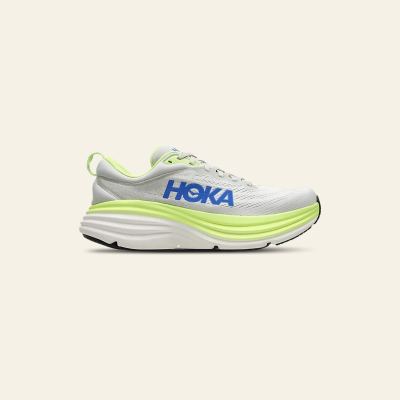
“Best walking sneakers” lists usually skip straight to a ranked lineup without explaining what actually makes a shoe good for walking all day. That’s backwards — the criteria matter more than any specific model, because the right shoe depends on your foot, not a generic “best of” ranking. Here’s what to actually check, then a few verified options worth looking at.

Key Takeaways
- Good walking cushioning should feel firm and responsive, not mushy — foam that compresses too easily disconnects your foot from the ground and breaks down faster.
- A stiff, rigid heel counter matters as much as cushioning: it stops your foot from rolling side to side and is a major factor in preventing fatigue on long walks.
- Most walking shoes stay protective for roughly 300-500 miles (about four to six months of regular daily walking) before the midsole foam breaks down.
- Weight matters less than stability for most walkers — a slightly heavier, more supportive shoe usually beats an ultralight one for all-day comfort.
Cushioning: What to Actually Feel For
Good walking cushioning compresses slightly under your weight and springs back immediately — it should feel supportive, not soft in a way that lets your foot sink in. Overly soft foam feels comfortable for the first few steps in-store but compresses permanently faster and disconnects your foot from the ground over long distances, which increases fatigue rather than reducing it. If you’re walking five or more miles at a stretch, or standing for eight or more hours, podiatrist guidance points toward maximum-cushion options; for shorter daily walking, moderate cushioning with better ground feel is often more comfortable.
Fit: Why It Matters More Than the Shoe Itself
No amount of cushioning technology compensates for the wrong size. A walking shoe should hold your heel securely with no slipping, allow your toes to move freely, and match your foot’s width — not just its length. If you’re unsure how a specific model fits before buying, our practical sizing guide covers toe room, heel slip and brand-to-brand differences in more detail than a single walking-shoe review typically will.
Toe Room: The Specific Number
Aim for roughly one thumb’s width — about 0.5 to 0.75 inches (12-19mm) — between your longest toe and the front of the shoe. This matters more for walking than for casual wear because feet swell during extended activity, and a shoe that felt fine standing still can feel cramped after three miles. Buy walking shoes in the afternoon or evening, when your feet are at their largest for the day, for a more accurate fit.
Heel Stability: The Most Overlooked Factor
A rigid, vertical heel counter — the structured cup around your heel — is what prevents your foot from rolling inward or outward with each step, a major cause of fatigue and discomfort on longer walks. You can test this yourself: squeeze the back of the shoe between your fingers. It should feel stiff and resist compression, not fold flatly. Shoes marketed with “motion control” or “guide rail” style technology are specifically addressing this; if you tend to overpronate (your foot rolls inward when you walk), heel stability matters even more than cushioning thickness.
Weight: Does It Actually Matter?
Less than most marketing suggests. For dedicated fitness walking, lighter shoes reduce fatigue over very long distances, but for all-day, stand-and-walk use — errands, work, travel — stability and cushioning quality matter more than shaving a few ounces. A shoe that’s slightly heavier but has a genuinely supportive heel counter will usually feel better after eight hours than a minimalist, ultralight shoe with less structure.
Breathability: Why It’s Not Just About Comfort
Mesh or knit uppers let heat and moisture escape, which matters directly for comfort but also for foot health — trapped moisture from non-breathable synthetic uppers is a common cause of blisters on long walking days. If you’re walking outdoors in variable weather, look for uppers that balance breathability with enough structure to hold your foot securely; overly stretchy knit uppers can sacrifice the stability discussed above in exchange for breathability.
Flexibility: Where the Shoe Should (and Shouldn’t) Bend
A walking shoe should bend easily at the ball of the foot, where your foot naturally flexes with each step, but resist twisting through the middle of the sole. Test this by holding the shoe at both ends and twisting gently — a shoe that twists like a wet towel lacks the torsional support that keeps your foot stable, while one that only bends at the forefoot and stays firm through the arch is doing its job correctly.
Intended Use and Walking Distance
Match the shoe to how you’ll actually use it. Short, frequent walks (errands, commuting) put less cumulative stress on a shoe than five-plus-mile daily walks or full shifts on your feet, and don’t necessarily need maximum cushioning. For longer daily distances, prioritize cushioning and stability over weight. As a general guideline, most walking shoes remain protective for 300 to 500 miles — roughly four to six months of regular daily walking — before the midsole foam permanently compresses; replace them when you notice visible creasing in the midsole or a smooth, worn outsole.
A Few Models Worth Considering
Once you know what you’re looking for, a handful of models consistently show up in podiatrist-referenced recommendations for all-day and walking-focused use, without being marketed specifically as walking shoes. The Hoka Bondi is built around maximum cushioning for those logging longer distances or extended standing time, while the Hoka Clifton offers a lighter, slightly less cushioned alternative for people who want comfort without the bulk. The New Balance 9060 pairs a roomy, cushioned platform with New Balance’s wider range of width options, which is useful if standard-width shoes haven’t worked for you. None of these are included here because Cecile Milan sells them — they’re included because they consistently meet the cushioning, stability and fit criteria described above; use the checklist, not the brand name, to make the final call for your own feet.
Explore Comfort-Focused Options
If your walking shoes need cleaning between long-distance wears, our complete sneaker care guide covers material-specific cleaning without damaging cushioning or breathable uppers.
Frequently Asked Questions
What matters most in a walking shoe: cushioning or stability?
Both matter, but heel stability is the most overlooked. A firm, rigid heel counter prevents your foot from rolling with each step, which affects fatigue as much as cushioning thickness does.
How often should you replace walking shoes?
Most walking shoes stay protective for around 300 to 500 miles, roughly four to six months of regular daily walking. Visible creasing in the midsole or a smooth outsole are signs it’s time to replace them.
Do heavier walking shoes mean more support?
Not necessarily, but for all-day standing and walking, a slightly heavier shoe with genuine heel stability usually outperforms an ultralight shoe with less structure. Weight matters more for long-distance fitness walking specifically.
How much toe room do walking shoes need?
About one thumb’s width, roughly 0.5 to 0.75 inches, between your longest toe and the front of the shoe — slightly more generous than a casual sneaker, since feet swell during extended walking.
Is it better to buy walking shoes in the morning or evening?
For a comfort comparison beyond running shoes, see our breakdown of Birkenstock vs UGG for all-day comfort.
Evening or afternoon. Feet swell over the course of the day, so shoes tried on later give a more accurate sense of how they’ll fit during actual extended walking.
Comments
2 responses to “Best Sneakers for Walking All Day: What Actually Matters?”
[…] No de forma cómoda en distancias largas. Ambas tienen suelas finas y con poca amortiguación, pensadas para superficies de pista y entrenamiento, no para caminatas prolongadas. Para ese uso, consulta nuestra guía sobre qué es lo que realmente importa en una sneaker para caminar. […]
[…] comfort for long days on your feet is the priority, our guide to the best sneakers for walking all day covers what actually matters beyond just […]