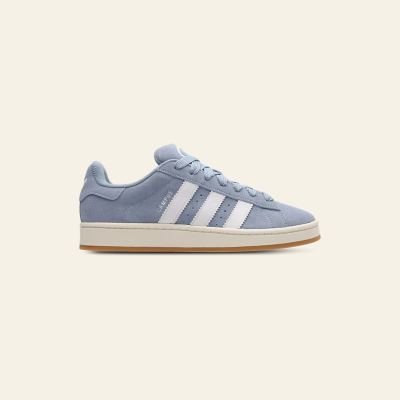
Retro sneakers like the Samba, Gazelle and low-top Nikes read as dated fast when they’re styled the way they were twenty years ago — baggy, mismatched, over-accessorized. Worn with the right proportions, the same shoes look current. Here’s what actually makes the difference, not “wear whatever makes you feel confident.”

Key Takeaways
- Straight-leg and tailored trousers are the most reliable base for low-profile retro sneakers — they let the shoe’s silhouette read clearly instead of getting lost under fabric.
- Crew-length socks specifically balance the low-cut shape of shoes like the Samba and Gazelle; no-show socks tend to make the proportions look unfinished.
- Neutral, tonal color palettes (black, grey, beige, white) read as intentional and current; busy prints or competing bright colors are what usually push a retro sneaker look into “costume” territory.
- Wide-leg trousers work too, but only when the rest of the outfit stays fitted — pairing volume on top and bottom at once is what makes an outfit look sloppy rather than relaxed.
Straight-Leg Trousers: The Safest Starting Point
Straight-leg jeans or tailored trousers are the most dependable pairing for low-profile retro sneakers because the trouser hem sits close enough to the shoe to show its full shape, without the bagginess that swallows the silhouette. A mid-rise straight jean that breaks right at the top of the shoe — not pooling on top of it — keeps the line clean. This works whether the sneaker is a suede Gazelle or a leather Samba; the trouser cut matters more than the exact shoe model.
Denim: What Actually Works
Raw or slightly worn straight-leg denim in mid-to-dark washes pairs cleanly with most retro sneaker colorways, especially white, black or tonal earth tones. Avoid heavily distressed or acid-wash denim with a busy retro sneaker colorway — two “loud” elements compete rather than complement. If the sneaker itself is a statement colorway, keep the denim as plain and dark as possible so the shoe stays the focal point.
Wide-Leg Trousers: Where People Go Wrong
Wide-leg trousers do work with low-profile retro sneakers, but only if the rest of the outfit stays fitted — a fitted top with wide-leg bottoms creates intentional volume; a loose top with wide-leg bottoms just reads as oversized all over. The trouser should break cleanly at the shoe, not pool heavily over it, or the sneaker’s silhouette disappears entirely and the proportions stop working. This is the single most common mistake in retro sneaker styling: treating “wide leg” as permission to go loose everywhere else too.
Minimalist, Neutral-Color Outfits
Neutral palettes — black, grey, beige, white, tonal combinations of any of these — are what make retro sneaker outfits read as deliberate rather than accidental. Monochromatic dressing, where the trousers and top sit close in tone, lets the sneaker (often the only textured or contrast element) stand out without competing against prints or clashing colors elsewhere. This doesn’t mean the outfit has to be boring: texture contrast, like suede sneakers against a smooth wool trouser, does more visual work than color contrast without risking a dated, mismatched look.
Socks: The Detail Most People Skip
Crew-length socks specifically balance the low-cut shape of shoes like the Samba and Gazelle — the slightly higher sock length visually connects the sneaker to the trouser hem instead of leaving a bare-ankle gap that makes the proportions look unfinished. Simple cotton crew socks, or subtle retro stripe styles, keep the look neat; patterned socks can work as a deliberate detail but should stay within the outfit’s existing color palette rather than introducing a new one. No-show socks are the one choice that tends to undercut this specific type of sneaker, since the low-top shape already reads as low-profile without a visible ankle gap on top of it.
Proportion Is the Actual Rule
Every point above comes back to the same principle: retro sneakers are low-profile and visually “quiet,” so the rest of the outfit needs to stay controlled enough for the shoe to register clearly. That means avoiding stacking volume in multiple places at once (baggy top and baggy bottom), avoiding competing prints or colors, and choosing a trouser break that shows the shoe rather than hiding it. It’s proportion and restraint, not a specific “formula” outfit, that separates a current look from a dated one.
Vintage-Inspired vs. Costume-Like: Where’s the Line?
A vintage-inspired outfit uses one or two retro reference points — the sneaker itself, maybe a single vintage-style piece — set against otherwise modern, well-fitted basics. A costume-like outfit stacks multiple decades-specific pieces at once: the retro sneaker, plus baggy vintage denim, plus a graphic tee from the same era, plus retro accessories. One nod to the past reads as style; four of them at once reads as a themed outfit. If you’re building around a retro sneaker, let it be the statement and keep everything else contemporary.
Putting It Together
For a clean daytime look: straight-leg mid-wash denim, a fitted plain tee or knit, crew socks in a neutral tone, and the sneaker in a tonal or classic colorway. For a slightly dressier version: tailored straight trousers, a fitted shirt or light knit, and the same sneaker — the contrast between a dressier top half and a casual shoe is a deliberate, current styling choice rather than a mismatch, as long as the trouser fit stays clean. If you’re deciding which retro model to build a wardrobe around in the first place, our Adidas Samba vs Gazelle comparison covers the fit and silhouette differences that affect how each one styles. For a broader read on what’s actually being worn this season, see our 2026 sneaker trends roundup.
Looking for model-specific ideas? Our guide to styling the New Balance 530 and 574 has more outfit inspiration.
Frequently Asked Questions
What trousers go best with retro sneakers like Samba or Gazelle?
Straight-leg jeans or tailored straight trousers are the most reliable choice, since they let the low-profile silhouette show clearly. Wide-leg trousers work too, but only when the rest of the outfit stays fitted.
Should you wear socks with low-top retro sneakers?
Yes — crew-length socks specifically. They balance the low-cut shape of the shoe and connect it visually to the trouser hem, which no-show socks tend not to do as well with this style of sneaker.
How do you avoid retro sneakers looking dated?
Keep the rest of the outfit fitted and controlled, use neutral or tonal colors, and limit yourself to one or two retro-styled pieces rather than stacking multiple vintage elements at once.
Can you wear retro sneakers with wide-leg trousers?
Yes, as long as the top half of the outfit stays fitted. Pairing loose trousers with a loose top on top of low-profile sneakers is what usually reads as sloppy rather than relaxed.
What colors work best with classic sneakers like the Samba or Gazelle?
If your retro pair has suede uppers, our guide on cleaning suede sneakers without ruining them covers safe care steps.
Neutral, tonal palettes — black, grey, beige and white — read as the most current. They let the sneaker stand out through texture rather than competing with it through color or pattern.
Comments
2 responses to “How to Style Retro Sneakers Without Looking Dated”
[…] is common on many retro silhouettes; see our guide on styling retro sneakers without looking dated for outfit […]
[…] For hands-on advice on wearing this season’s retro sneaker trends without them looking dated, see our guide to styling retro sneakers. […]