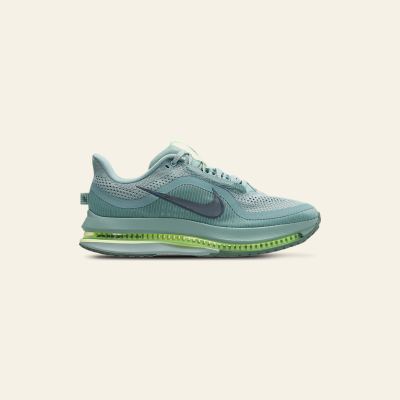
The Nike Pegasus 42 and the HOKA Clifton 10 solve the “everyday trainer” problem in two different ways: the Pegasus uses a firmer, lower-stack ride with a full-length Zoom Air unit and a traditional 10mm drop, while the Clifton leans into HOKA’s signature maximalist cushioning, with a taller 42mm heel stack and a lower 8mm drop that puts more foam directly under your foot. Neither is objectively better – the Pegasus suits runners who want a bit more ground feel and a shoe that can flex into faster paces, while the Clifton suits runners who prioritize plush, all-day comfort over responsiveness. If you’re mainly walking or logging easy recovery miles, the Clifton’s extra cushioning tends to win; if you want one shoe that can also handle a tempo run, the Pegasus is the more versatile pick.

Key Takeaways
- Pegasus 42: 10mm drop, 37mm heel/27mm forefoot stack, ReactX foam plus a full-length curved Zoom Air unit, roughly 10.6oz (men’s).
- Clifton 10: 8mm drop, 42mm heel/34mm forefoot stack (men’s size 10), compression-molded EVA foam, noticeably taller and softer underfoot.
- Pegasus rides firmer and lower to the ground; Clifton rides softer and taller, HOKA’s classic “walking on marshmallows” feel.
- Pegasus is the more versatile daily trainer if you sometimes pick up the pace; Clifton is the better pick for all-day comfort, long walks, or easy recovery runs.
- Both are aimed at entry-level to experienced runners rather than racing specialists – neither is a dedicated speed shoe.
Pegasus 42 vs Clifton 10: Spec Comparison
| Spec | Nike Pegasus 42 | HOKA Clifton 10 |
|---|---|---|
| Heel-to-toe drop | 10mm | 8mm |
| Stack height (heel/forefoot) | 37mm / 27mm | 42mm / 34mm (men’s US10) |
| Weight (men’s) | ~10.6oz | Not disclosed by HOKA; broadly comparable to prior Clifton models |
| Midsole foam | ReactX + full-length curved Zoom Air unit | Compression-molded EVA (CMEVA) |
| Best for | Entry-level to experienced runners wanting one versatile daily shoe | Runners and walkers prioritizing maximum cushioning and a lighter ride |
Which Shoe Has More Cushioning?
Direct answer: The Clifton 10, by a meaningful margin – its 42mm heel stack is 5mm taller than the Pegasus 42’s 37mm, and HOKA added 3mm more heel foam in this generation specifically to boost cushioning further.
Explanation: Stack height is the raw amount of foam between your foot and the ground, and the Clifton’s higher stack combined with its full compression-molded EVA midsole (versus the Pegasus’s mix of firmer ReactX foam and a smaller air pocket) gives it a noticeably plusher, softer feel underfoot.
Nuance: More cushioning isn’t automatically better – it usually comes with less ground feel and a slightly less “connected” ride, which some runners who prefer a firmer, more responsive shoe don’t like. The Pegasus’s Zoom Air unit does add some pop and responsiveness that a pure foam midsole like the Clifton’s doesn’t replicate.
Recommendation: If your priority is comfort over long days on your feet or easy mileage, go Clifton. If you want a shoe that still feels reasonably lively when you pick up the pace, go Pegasus.
Which Shoe Fits Better for Faster Running?
Direct answer: The Pegasus, mainly because of its lower stack height and higher, more traditional 10mm drop, which many runners find more stable and predictable at faster paces.
Explanation: A lower stack sits your foot closer to the ground, which generally translates to better stability and a more responsive push-off, especially useful when you’re not moving at an easy, recovery-run pace. Nike specifically markets the Pegasus 42 as a dependable daily trainer that can flex into faster sessions, whereas HOKA positions the Clifton primarily around comfort and easy-mile cushioning.
Nuance: Neither shoe is a dedicated speed or racing shoe – if tempo runs or race day are a major focus, most runners eventually add a dedicated lightweight trainer or racing shoe to their rotation rather than relying on either of these.
Recommendation: If you want a single shoe to cover most of your training, including the occasional faster session, the Pegasus is the safer choice. If your runs are almost entirely easy-paced, this distinction matters less.
Frequently Asked Questions
Is the HOKA Clifton good for walking, not just running?
Yes – its high stack height and soft EVA midsole make it a popular choice for all-day walking and standing, not just running, which is part of why it has such a broad following beyond dedicated runners.
Does a higher drop like the Pegasus’s 10mm suit everyone?
Not necessarily. A higher drop shifts more work onto the calf and Achilles at push-off and can feel less natural to runners used to lower-drop shoes; the Pegasus’s 10mm is on the higher end for a modern daily trainer.
Which shoe is more durable?
Neither brand publishes directly comparable durability data, and outsole wear depends heavily on running surface and gait, so this is genuinely hard to state as verified fact – it’s worth judging by your own wear pattern rather than a spec sheet.
Can I use either shoe for trail running?
No – both the Pegasus 42 and Clifton 10 are road running shoes designed for pavement and light gravel; neither has the aggressive outsole lugs of a dedicated trail shoe.
Is the Clifton 10 a big change from the Clifton 9?
Yes – HOKA added 3mm of heel cushioning, increased the drop to 8mm, widened the forefoot for more toe splay, and updated the upper to a jacquard knit with a new double-lace lock system, so it’s a more substantial update than a typical yearly refresh.
Which shoe is better for wide feet?
The Clifton 10’s reworked forefoot specifically adds more volume for toe splay, which may suit wider feet slightly better out of the box, though both brands offer wide sizing options on select models.
Curious how the Clifton compares within HOKA’s own lineup? Our HOKA Bondi vs Clifton comparison covers that matchup too.
See both in person before you decide: Cecile Milan carries Nike and HOKA footwear.
Comments
One response to “Nike Pegasus vs HOKA Clifton: Which Running Shoe Should You Buy?”
[…] how the Clifton stacks up against a different brand? Our Nike Pegasus vs HOKA Clifton comparison covers drop, stack height, and which ride suits your […]