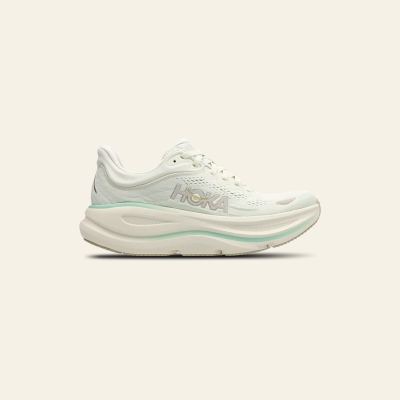
Choose the Clifton if you want a lighter, more versatile daily trainer for training runs and tempo work; choose the Bondi if you want the maximum amount of cushioning for recovery days, long walks, or easy long-distance running. The core difference is stack height and weight: the current Bondi 9 has a 38mm heel stack and weighs 10.8oz, while the Clifton 10 has a 32mm heel stack and weighs 8.9oz. That 6mm and roughly 2oz gap is the difference you actually feel underfoot.

Key Takeaways
- The Bondi 9 has a significantly taller stack than the Clifton 10 — 38mm at the heel versus 32mm.
- The Clifton 10 is lighter at 8.9oz, compared to 10.8oz for the Bondi 9.
- Both are neutral running shoes, suitable for people without significant overpronation.
- The Clifton suits daily training and tempo runs; the Bondi suits recovery days, easy long runs, and extended time on your feet.
- Neither shoe is a dedicated stability shoe — if you need motion control, look outside these two models.
HOKA Bondi vs Clifton at a Glance
| Feature | HOKA Bondi 9 | HOKA Clifton 10 |
|---|---|---|
| Heel stack height | 38mm | 32mm |
| Weight | 10.8oz | 8.9oz |
| Cushioning feel | Maximum, plush | Balanced, more responsive |
| Best for | Recovery runs, long slow distance, all-day wear | Daily training, tempo runs, general versatility |
| Shoe type | Neutral, high-cushion max shoe | Neutral, lightweight daily trainer |
The Real Difference: Stack Height and Weight
The clearest, most measurable difference between the two shoes is how much foam sits underfoot. The Bondi 9 carries a 38mm heel stack, compared to the Clifton 10’s 32mm — a 6mm gap that translates into noticeably more cushioning underfoot on the Bondi. That extra foam adds weight: the Bondi 9 comes in at 10.8oz versus the Clifton 10’s 8.9oz, a difference of nearly two ounces that is easy to feel once you are a few miles into a run. Taller stacks like the Bondi’s also shift how forces move through your stride, generally reducing peak loading rates and pushing more of the work toward the calf and forefoot.
Which One Is Better for Running?
For daily training and tempo runs, the Clifton is the more practical choice — its lighter build and lower stack make it feel quicker and more responsive at a wider range of paces. The Bondi is not built for speed; it is built for comfort over distance and time. That makes it a strong option for recovery days, long slow-distance runs, and for runners who are heavier or who simply want the plushest possible ride. Neither shoe includes dedicated stability or motion-control features, so both are best suited to runners with a neutral gait rather than those who need significant overpronation support.
Which One Is Better for Walking and Everyday Wear?
If you are on your feet for long stretches outside of running — retail work, travel, or simply a lot of walking — the Bondi’s extra cushioning tends to be the more comfortable option over a full day. The Clifton still works well for walking and errands, and its lighter weight can feel less bulky for shorter periods on your feet, but it will not match the Bondi’s cushioning if comfort over many hours is the priority.
Frequently Asked Questions
What is the main difference between the HOKA Bondi and Clifton?
The Bondi has significantly more cushioning — a 38mm heel stack versus the Clifton’s 32mm — and weighs more as a result, at 10.8oz versus 8.9oz.
Which HOKA is better for beginners?
Both work well for new runners. The Clifton is a good general-purpose choice for varied paces, while the Bondi suits people prioritizing maximum comfort or who plan to run mostly at an easy pace.
Is the Bondi or Clifton better for wide feet or all-day standing?
The Bondi’s extra cushioning generally makes it more comfortable for extended time on your feet, including all-day wear outside of running.
Are the Bondi and Clifton stability shoes?
No. Both are neutral running shoes without dedicated stability or motion-control technology, so they are best suited to runners without significant overpronation.
Can I use the Clifton for long-distance running?
Yes, though the Bondi’s extra cushioning is generally preferred for very long, slow-paced runs, while the Clifton is more suited to standard training distances and faster paces.
For a closer look at how HOKA sizing works across the wider lineup, see our HOKA sizing guide.
Curious how the Clifton stacks up against a different brand? Our Nike Pegasus vs HOKA Clifton comparison covers drop, stack height, and which ride suits your pace.
Ready to compare in person? Browse the current HOKA Bondi and HOKA Clifton collections at Cecile Milan.
Comments
One response to “HOKA Bondi vs Clifton: Which Should You Buy?”
[…] you’re deciding between HOKA models more broadly, our HOKA Bondi vs Clifton comparison breaks down how these two popular models differ beyond […]