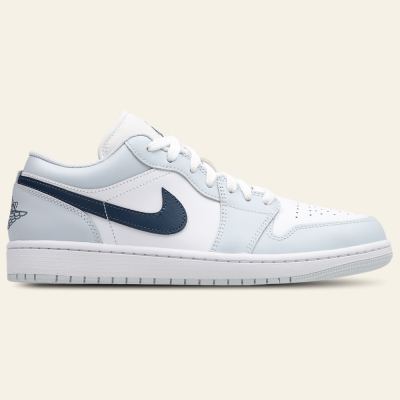
The most reliable way to spot a fake Air Jordan is to check several details together rather than relying on any single one: an unusually low price, inconsistent stitching, a poorly printed or misspaced tongue label, and a box whose logos, QR code, or sizing chart sit in slightly different positions than expected. No single red flag is proof on its own, but authentic pairs are consistent across all of these details, while counterfeits typically fail at least two or three. If you’re buying online, sticking to authorized retailers and official brand channels removes most of the risk entirely, since you’re trusting the seller’s supply chain rather than inspecting the shoe yourself.

Key Takeaways
- Price is the single biggest red flag: a price significantly below typical retail for a current or recent release is the most common sign of a counterfeit.
- Stitching on authentic pairs is consistent, deep, and evenly spaced; counterfeits often show thin, uneven, or misaligned stitching, especially around the Swoosh and Wings logo.
- The interior tongue label’s font and letter spacing should look clean and consistent; wavy, uneven, or oddly spaced text is a common sign of a fake.
- The box’s manufacturing sticker, sizing chart, QR code, and logo placement should match the shoe’s actual size and model; misprints or inconsistent positioning are warning signs.
- Buying from authorized retailers or the brand’s official channels is the most reliable way to avoid counterfeits altogether, since it removes the need to inspect the shoe yourself.
What to Check, Step by Step
| What to Check | Signs of Authentic | Signs of Fake |
|---|---|---|
| Price | Close to typical retail, especially for current releases | Significantly below market price with no clear explanation |
| Stitching | Consistent, deep, evenly spaced throughout | Thin, uneven, or misaligned, especially near logos |
| Tongue label | Clean font, consistent letter spacing | Wavy or poorly rendered text, irregular spacing |
| Swoosh and Wings logos | Correct proportions, clean embossing, good contrast | Overly thick lines, faded or shallow embossing |
| Box details | Logo, QR code, and sizing chart in the expected positions | Elements shifted, misprinted, or inconsistent with the model |
| Seller | Authorized retailer or official brand channel | Unverified marketplace listing, no return policy, no reviews |
Why No Single Check Is Enough
Counterfeiters have gotten good enough at replicating individual details — a convincing box, a decent logo, reasonable stitching — that relying on just one check can miss a well-made fake. What tends to give counterfeits away is inconsistency across several details at once: stitching that’s mostly fine but slightly uneven near the Swoosh, a box that looks right except for where the QR code sits, or a tongue label with almost-correct but slightly wavy lettering. Authentic pairs are consistent across construction, materials, and packaging because they come from the same controlled manufacturing process every time; fakes vary because they’re often produced across different facilities with different levels of quality control.
The Safest Approach: Buy From Authorized Sellers
Careful inspection helps, but it isn’t foolproof, especially with photos alone or a shoe you can’t physically examine before buying. The more reliable approach is to buy from authorized retailers or the brand’s own official channels, where the supply chain itself guarantees authenticity rather than relying on your own inspection. If you’re buying secondhand or from a resale marketplace, look for verified authentication services, clear return policies, and sellers with an established track record and reviews, and treat a price that seems too good to be true as a serious warning sign rather than a lucky find.
Frequently Asked Questions
What’s the easiest way to tell if Air Jordans are fake?
Price is usually the fastest indicator — a price significantly below typical retail is the most common sign of a counterfeit. From there, check stitching consistency, the tongue label’s font, and the box’s logo and QR code placement.
Can I verify Air Jordans are real from photos alone?
Photos can reveal some red flags, like uneven stitching or a poorly printed label, but they’re not fully reliable since counterfeiters can photograph their best examples. Buying from an authorized retailer removes this uncertainty entirely.
Do fake Air Jordans always look obviously wrong?
No. Well-made counterfeits can look convincing at a glance, which is why checking multiple details together — stitching, labels, box, and price — is more reliable than relying on any single sign.
Where is the safest place to buy Air Jordans?
Authorized retailers and the brand’s official channels are the safest option, since the supply chain itself guarantees authenticity. If buying secondhand, look for sellers with verified authentication and an established track record.
Are all cheap Air Jordans fake?
Not necessarily, but a price significantly below typical retail with no clear explanation, such as a legitimate clearance or sale, is one of the most reliable warning signs of a counterfeit.
If you’re shopping the Nike family more broadly, our complete guide to the Nike Cortez covers what to know before buying another Nike icon.
Shop with confidence: browse the current Nike women’s and Nike men’s collections at Cecile Milan.
Comments
One response to “How to Spot Fake Air Jordans: A Buying Guide to Authentic Pairs”
[…] secondhand or from a resale marketplace? Our guide on how to spot fake Air Jordans covers authentication principles that apply across Nike […]